Research Interests
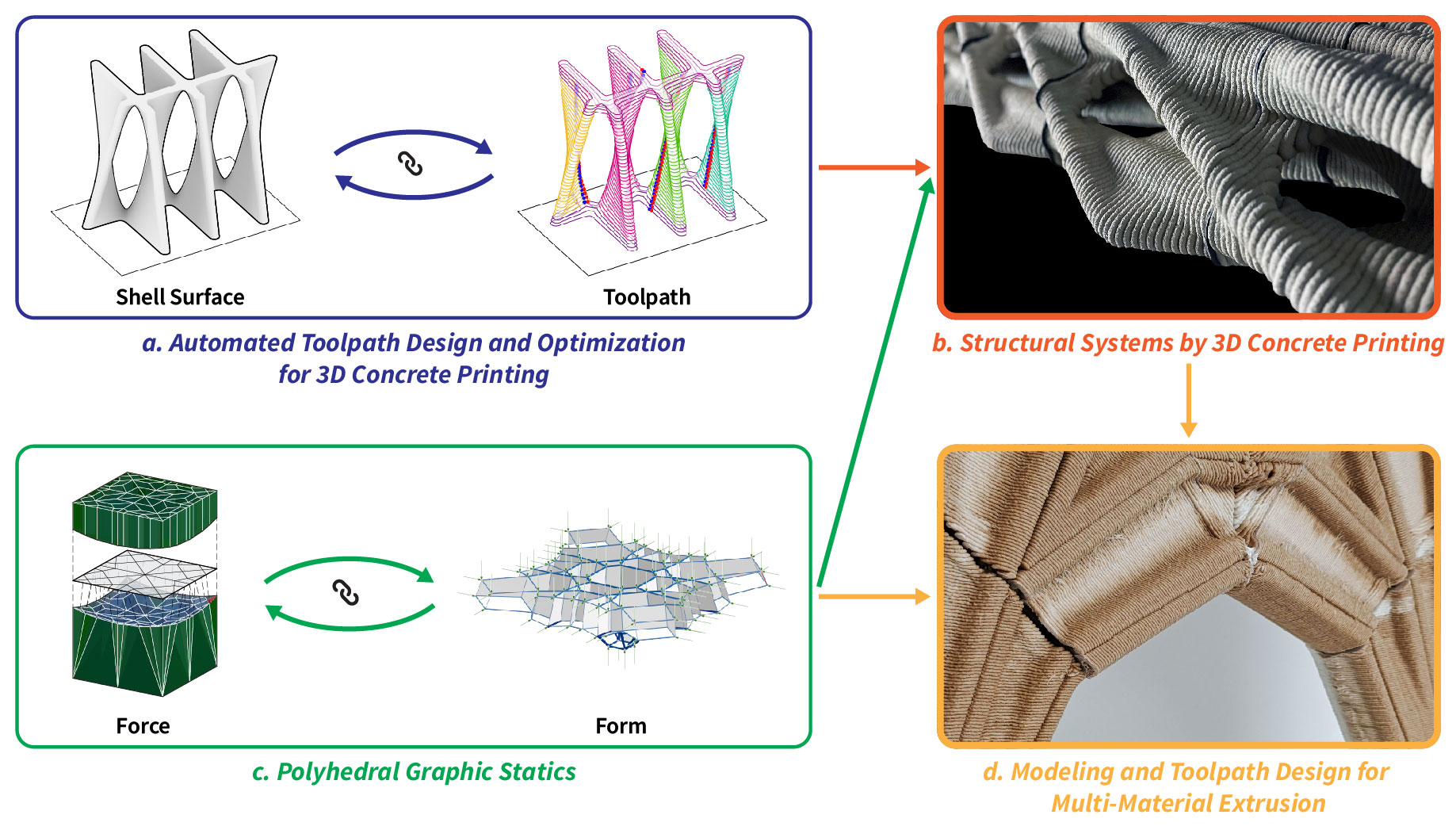
Automated Toolpath Design and Optimization for 3D Concrete Printing
Structural components by 3D concrete printing (3DCP) are known for reduced material use, enhanced construction efficiency, and design freedom. Faced with limitations in material properties and extrusion systems, I have established an integrated and automated approach across scales for designing and optimizing the toolpath for a given geometry while maximizing the advantages of 3DCP. I provide methods of predicting and optimizing buildability in terms of local and global overhangs, enhancing the dimensional accuracy and surface quality, and generating as-continuous-as-possible toolpaths with minimal stop-starts for porous designs. By introducing surface-toolpath twins interconvertible through efficient slicing and surface reconstruction algorithms, I have built a bidirectional design-to-production process that combines expertise in form-finding and fabrication-oriented design. Finally, scaled fabrication models 3D-printed the same way as in actual construction verifies printing schemes and fosters low-cost design iterations and communication.
Selected Publications / [Short Names] [Full Names]
Structural Systems by 3D Concrete Printing
3DCP allowed for the effective realization of innovative, complex structural systems that integrate efficient funicular geometries with tailored functionality. Large porous objects that would otherwise require sophisticated formwork can be directly printed with minimal material use and high geometric fidelity using my method. By connecting form-finding results with toolpath design and optimization methods and precisely embedding reinforcement conduits, my collaborators and I have designed and fabricated post-tensioned concrete beams at multiple scales. Through methods of nonplanar printing and dimensional accuracy control, we extend to build two-way post-tensioned modular floors. Achieving minimal mass and maximized surface, these efficient structures can be printed using carbon-absorbing concrete to reduce carbon footprint and save operational energy related to thermal comfort throughout their life cycle.
Selected Publications / [Short Names] [Full Names]
Polyhedral Graphic Statics
The form-finding method of polyhedral graphic statics (PGS) uses reciprocal force and form diagrams to design efficient funicular structures that bear axial forces. My research investigates strategies for embedding implicit constraints, such as symmetry, to make PGS form-finding more intuitive and thus accessible to general users. I also develop algorithms to assist the establishment of complex PGS graph data structures that combine tension and compression, making the design of such structures more direct. I am currently working on the fabrication-oriented optimization of PGS, connecting it to both low- and high-tech construction methods and expanding its application in practice.
Selected Publications / [Short Names] [Full Names]
Modeling and Toolpath Design for Multi-Material Extrusion
Multi-material extrusion allows complex forms to have locally tailored materials. I have created modeling methods that encode gradient material information in 3D-printable objects, and developed toolpath planning algorithms for gradient multi-material extrusion that maximize material fidelity and minimize waste. With collaborators in hardware and material development, we have designed and fabricated multi-material objects that are structurally efficient and carry local functionalities such as variable insulation.
Selected Publications / [Short Names] [Full Names]
Other Design/Construction Projects
Projects not associated with academic publications are listed here.
As Lead Researcher

Dove Wave: Inventory Constrained Design Masoud Akbarzadeh, Yiliang Shao, Yefan Zhi, Sepideh Bayat, Michael Ting Inventory-Constrained Design Competition by Eventscape 2022 New York, NY, US, First Place [Project Page]
As Designer
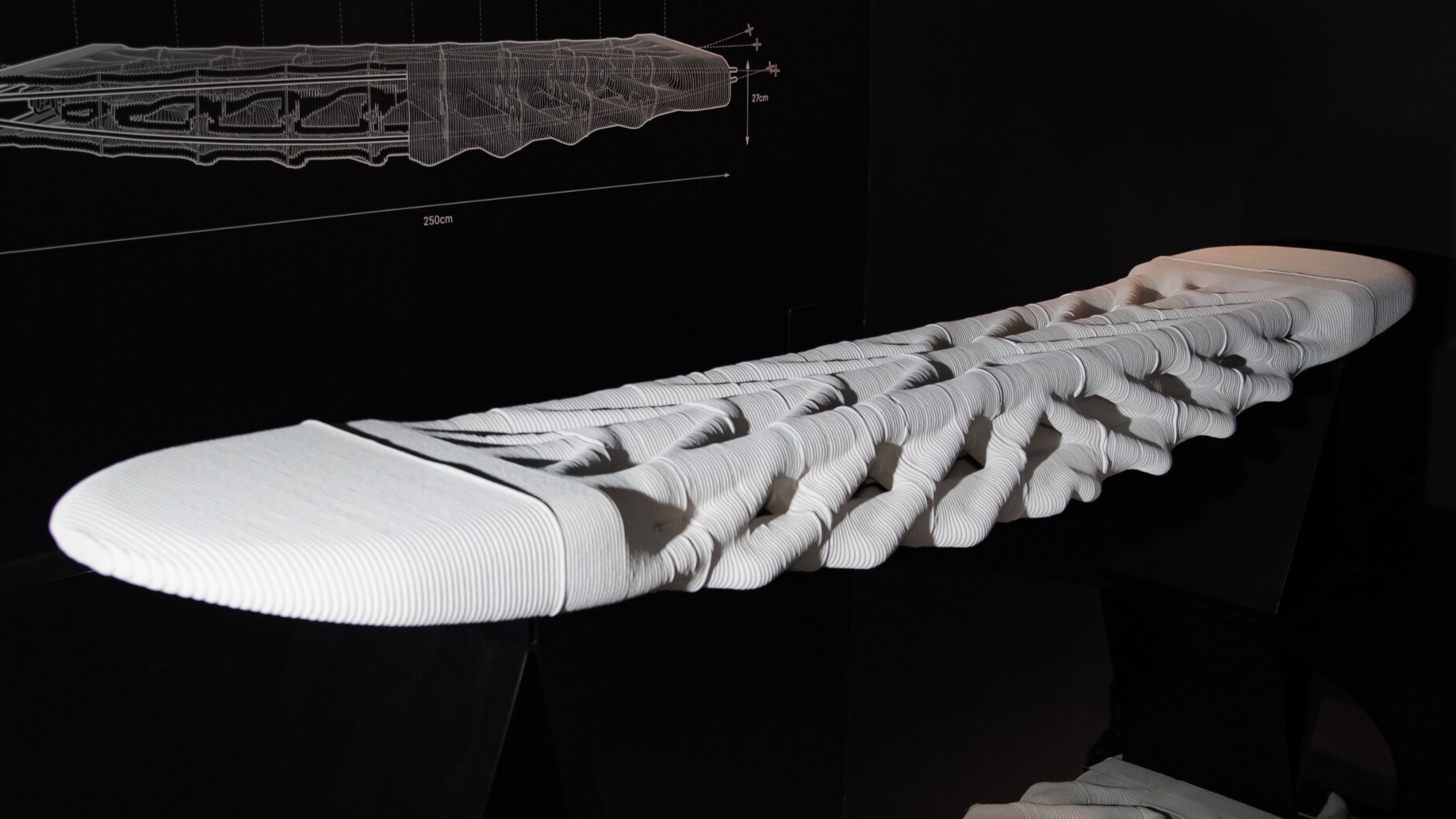
Diamanti: European Cultural Centre Exhibition Masoud Akbarzadeh, Maximilian E. Ororbia, Amir Motavaselian, Hua Chai, Yefan Zhi, et al. Exhibited at the Venice Architecture Biennial organized by the European Cultural Centre May - Nov 2025 Venice, Italy, ECC Award [Project Page]
As Part of the Installation Team
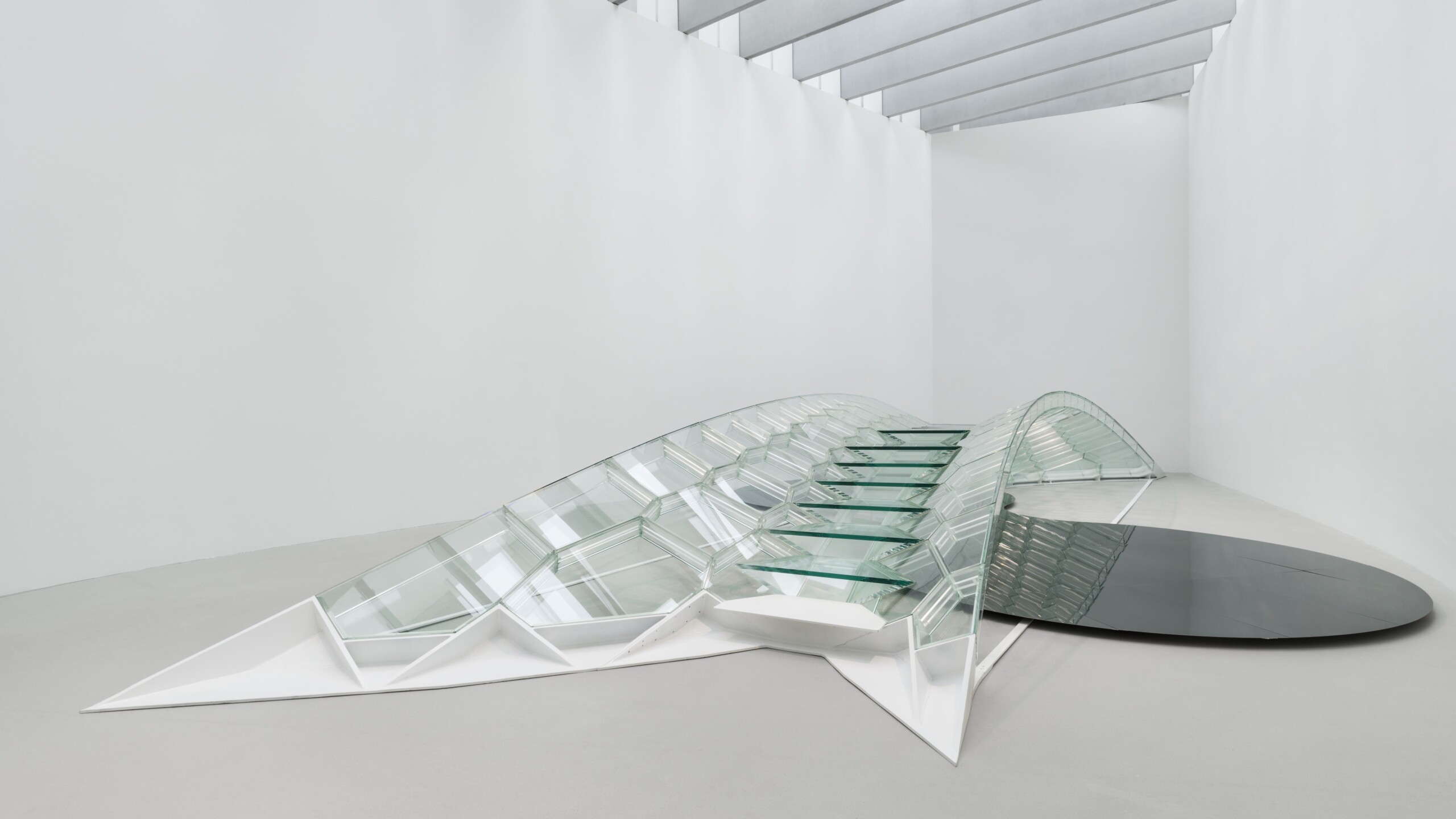
Glass Bridge: A Clear Path to Sustainability Masoud Akbarzadeh, Joseph Robert Yost, Damon Bolhassani, Jens Schneider, et al. Exhibited at the Corning Museum of Glass Dec 2024 - Sept 2025 Corning, NY, US [Project Page]
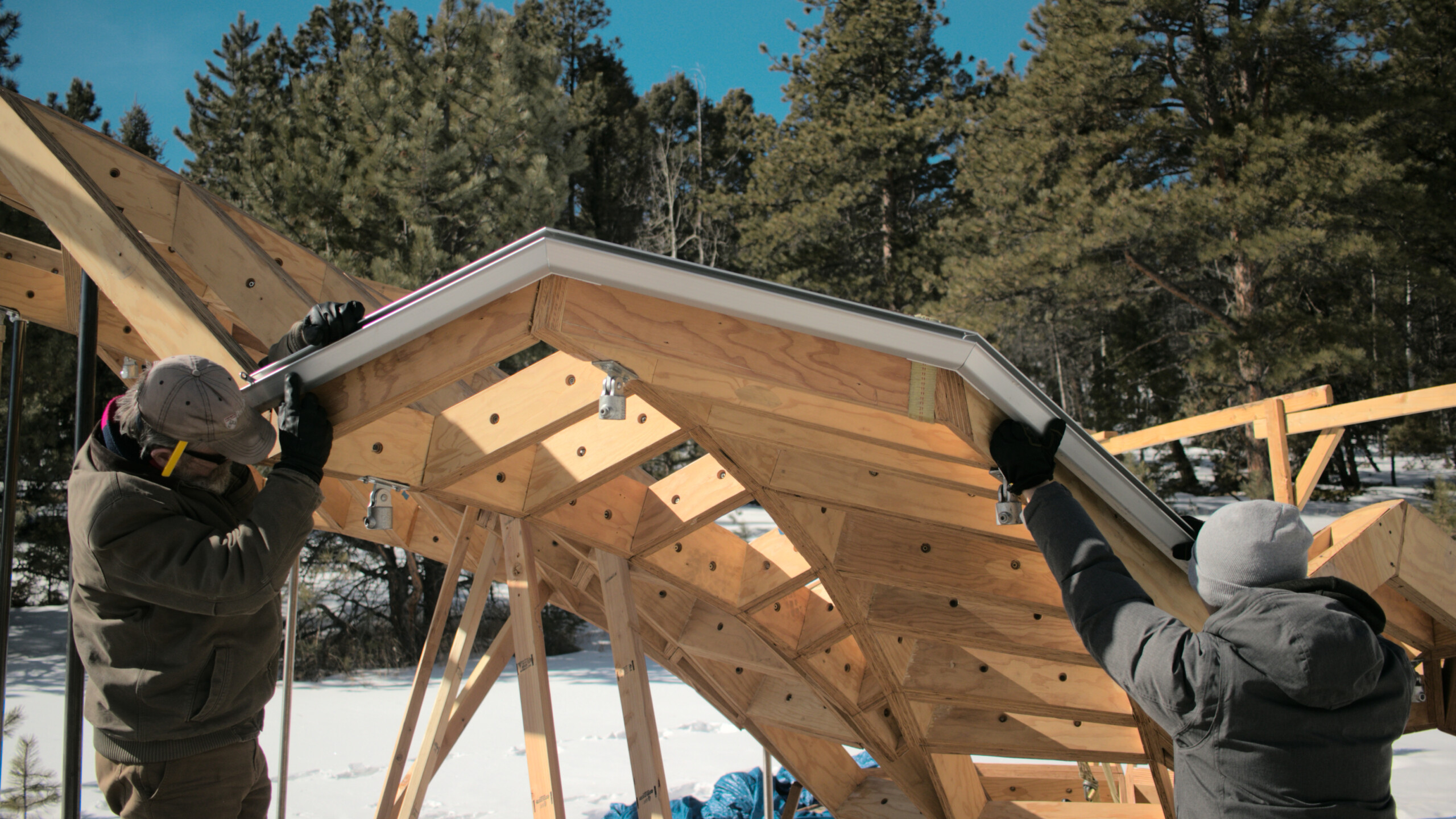
Floralis: an ETFE-Cladded, Multilaminar Timber Structure Masoud Akbarzadeh, Dorit Aviv, Frank Mateo, et al. Built in the Florissant Fossil Beds National Monument 2024 Florissant, CO, US [Project Page]
Software Products
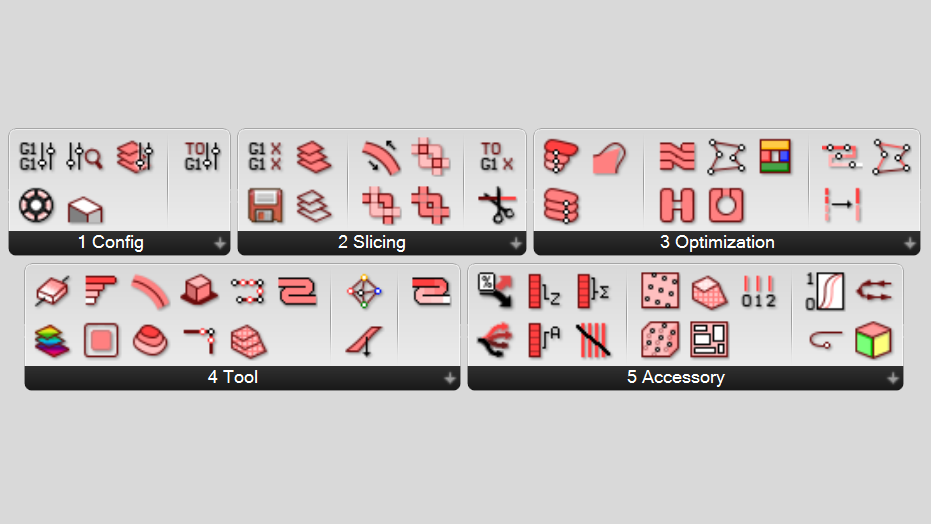
Ovenbird: Concrete and Multi-Material 3D Printing Yefan Zhi, Hua Chai, Teng Teng, Masoud Akbarzadeh A plugin for Grasshopper 2022 - 2025 [Code]
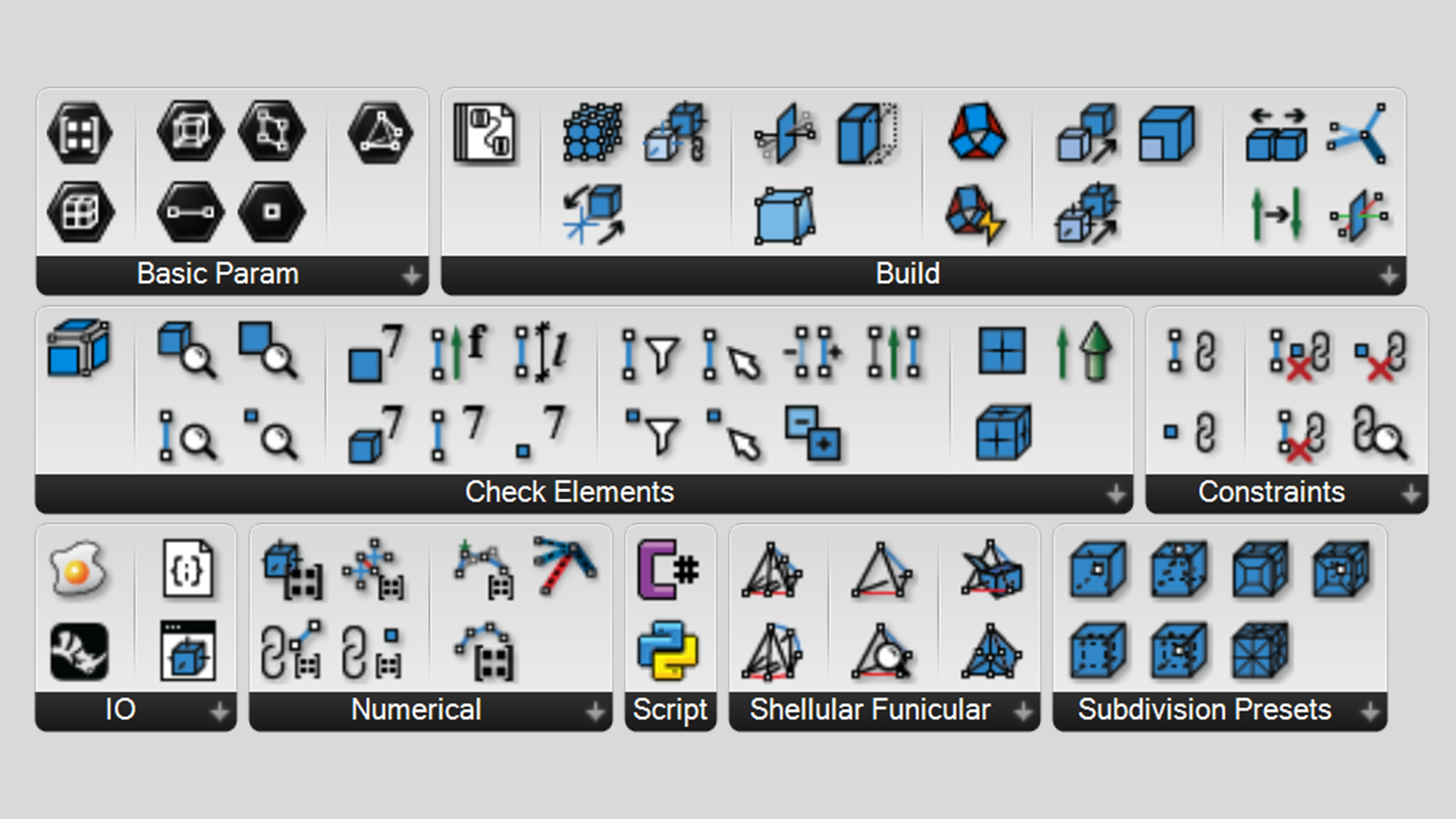
PolyFrame 2: Structural Form-Finding with Polyhedral Graphic Statics Yao Lu, Andrei Nejur, Mathias Bernhard, Yefan Zhi, Hua Chai, Mostafa Akbari, Márton Hablicsek, Masoud Akbarzadeh A plugin for Grasshopper 2022 - 2025 [Code]